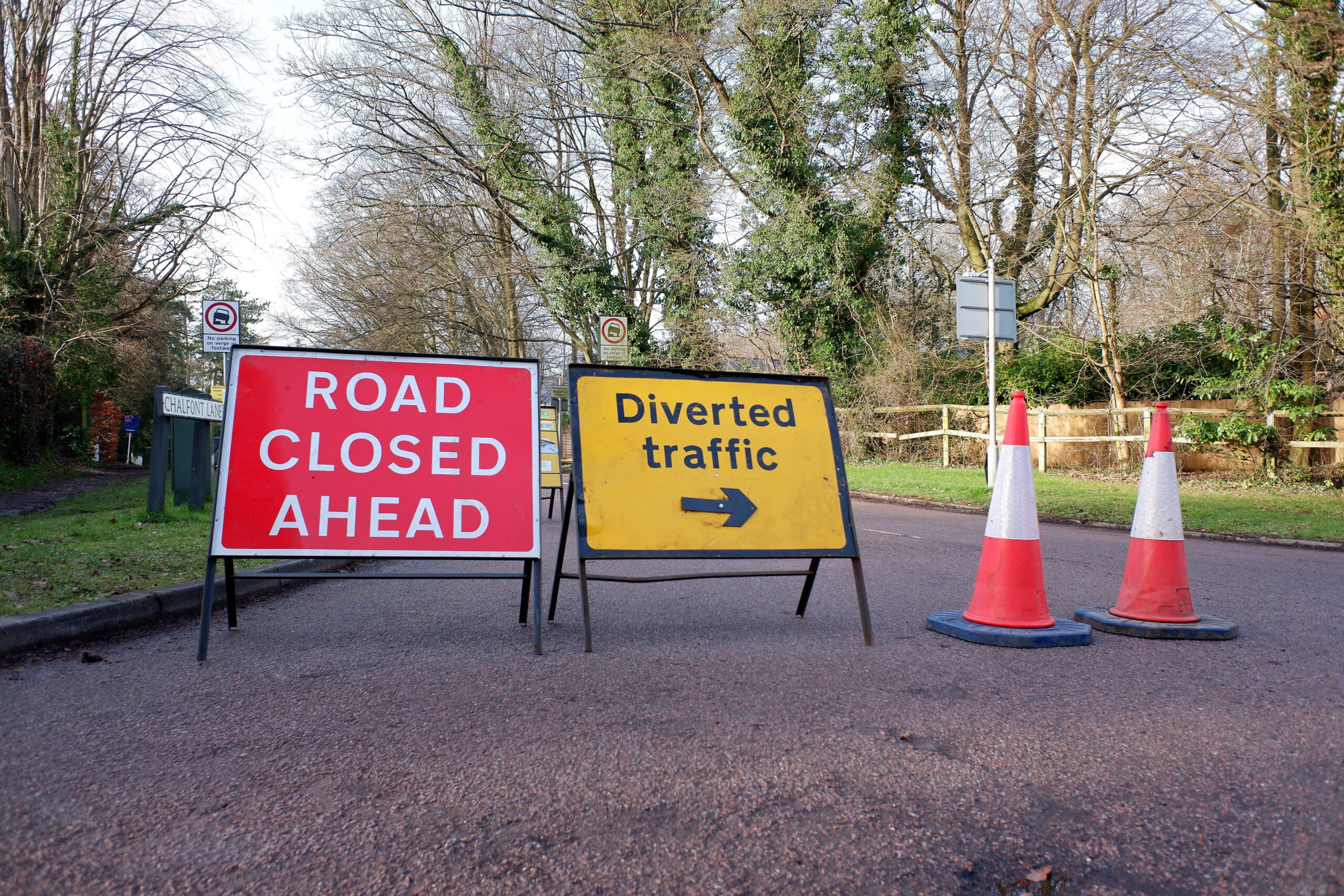

Traffic management is critical for ensuring safety and efficiency on our roads. So, what makes good temporary traffic management? Based on our experience in this sector, here are a few key elements:
1. Clear Signage: Properly placed and well-lit signs are essential. They should be visible from all necessary angles and provide clear instructions to drivers and pedestrians.
2. Professional Training: Hiring professionals who are well-trained in traffic management is a must. These individuals should have up-to-date accreditation and thorough understanding of regulations.
3. Effective Communication: Timely updates and alerts to road users about scheduled works, changes in traffic patterns, and expected delays can significantly reduce confusion and frustration.
4. Technology Integration: Utilising advanced traffic management systems and real-time monitoring can help manage traffic flows more effectively and react promptly to any issues.
5. Safety Measures: Ensuring the safety of workers and the public should always be a priority. This means having appropriate barriers, reflective gear, and emergency protocols in place.
According to the Department for Transport, road traffic in the UK has increased by 18.5% from 2010 to 2024. With these rising numbers, robust temporary traffic management is essential to maintain order and safety.
For more information about our traffic management services, contact us on 03330 388499 or kg@south57tm.co.uk.